
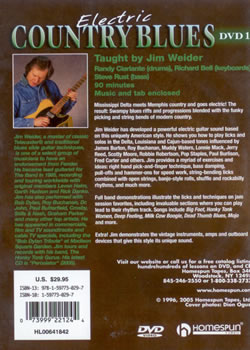
 Students with some facility should be fine, that is if you can pull off the simple fingerpicking patterns and these primary Tonic, 5th, and 7th note articulations.
This lessons' format seem to me, to be a better place to start than others I have seen. You can have fun here using the pamphlet instead of craning you neck and cursing, and stopping and rewinding, gin' and gin' and gin' (like Texan Ross Perot), trying to decipher what in many other guitar lessons, three cameras can't show you: a clear shot of his left and right hand! Lord save us from the wannabe film directors in the guitar education industry. Still its not camera perfect!
I don't hesitate to say I like this guitar learning session a lot and feel that if I stick with repeated viewing I can expand plenty using the way cool stuff he can do with his alternating bass and combined fingerpicking technique. And its true, its absolutely true that learning this technique well will give you a different sound than just the flat pick alone. It opens up like a whole new guitar world order and stuff. Also the pamphlet needs to be gone over carefully.
Latter Jim goes in to a lot of practical depth about intervals 3rds,4ths, 5ths, 7ths and he shows you these as musical stuff you can do if you try. This isn't for a rank beginner but if you really have been beating those I IV V progressions up, down and around the neck and you want to see some great guitar techniques and finger pick work you best get your self this here.
Work? Yes but it might be a lot of fun type work and make you feel pretty good. I just gave you an idea really of what this presentation has to offer see the menu for more details. Its a keeper if you are an electric guitar player country or not. Now I go to review lesson number two of this country blues guitar lesson set.
The best revenge is massive success. –Frank Sinatra